What do you really want?
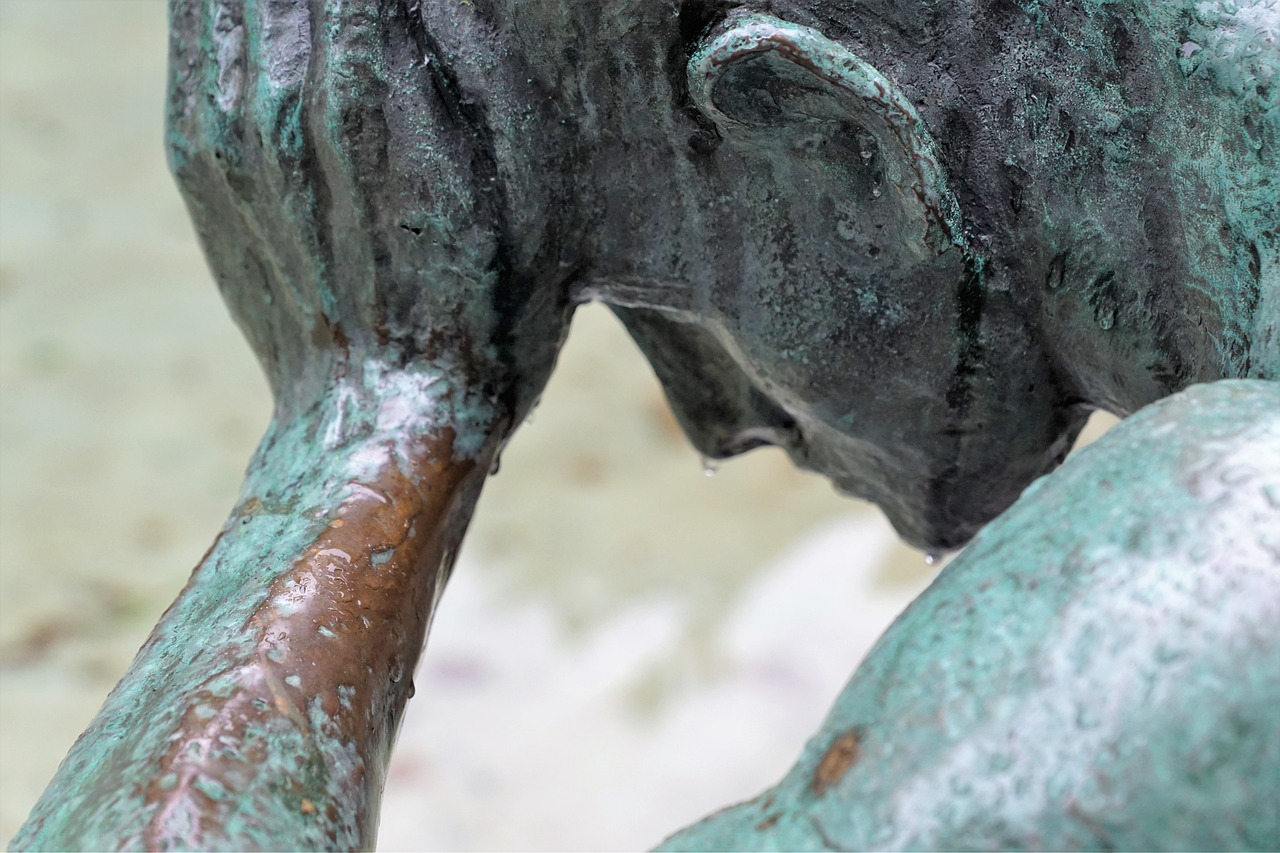
Have you lost touch with who you are or what you truly want to be? Do you know what you really want? Maybe you never knew. Or perhaps you think you know but can’t seem to experience it yet.
Many people make assumptions about what they need to be happy, but assumptions don’t always reflect reality. These false beliefs can keep you trapped in a life where you feel unfulfilled or dissatisfied.
So, how do you uncover what you truly want?
Know who you are and what you really want
To understand what you want, you first need to understand who you are. Your identity is shaped by cleansing your family’s genetic inheritance of toxicity and eliminating external influences that don’t serve your true self.
From family expectations to societal systems, we all grow up as products of genetics and our environments. Toxic influences can derail us from becoming our authentic selves. Even if we manage to find our true selves, we may struggle to fully embrace or enjoy it.
The key to understanding who you are lies in intentional self-discovery. Here’s how to get started:
Step 1: identify internal and external influences
Take time to reflect on the internal and external factors that have shaped your character, personality, beliefs, values, and desires. Ask yourself:
- What drives my behavior? Is it fear, anger, disgust, sadness, or joy, love, excitment? What expectations did my family and culture placed on me?
- Are my current goals aligned with what I truly want, or are they based on others’ opinions of what’s best for me?
Tip: write down key moments or decisions in your life. Highlight the ones driven by internal and external pressures versus those that felt authentic. Recognizing these patterns is the first step toward clarity.
By questioning your feelings and the values and beliefs you grew up with, you will be surprised of how much of what we were taught were lies that influenced our lives in ways that we don’t really want.
Step 2: ask yourself “who am I beneath what I have believed until now?”
What you truly want is often tied to who you really are. Therefore it is important to know yourself fully.
- Sit in silence. Observe your thoughts without chasing them. Notice what remains when the noise fades.
- Question old stories. Ask: does this belief expand me, or keep me small? Release what no longer serves.
Revisit hobbies or interests you loved as a child. Childhood passions often reveal truths about what you naturally gravitate toward before the damaging influence of your family and societal expectations took hold.
Step 3: experiment with curiosity asking yourself what you really want
Sometimes, the only way to discover what you want is to try new things. Whether it’s a new career, hobby, or even a change of scenery, experimentation can help you gain clarity.
Tip: approach these experiments with curiosity, not perfectionism. Each attempt is a learning experience.
Example: if you’re considering starting a business but feel uncertain, start small. Launch a side project or attend a workshop to test the waters.
Important: your intuition is key in making the right decisions. However, intuition can often be clouded by toxic influences, such as family pressures or narratives from the System like religion, politics, or other ideologies. By liberating yourself from those influences, you will become able to listen and follow the guidance of your intuition toward the realization of your dreams.
Step 4: connect with the forces of nature to ground your true identity
When you return to the elements, you remember who you are beyond roles, labels, and noise.
- Touch the earth. Walk barefoot, feel the soil or sand, and let your body absorb the earth’s strength.
- Breathe with the sky. Watch the sunrise or sunset. Sync your breath with the rhythm of the horizon.
- Listen to water. Sit by a river, ocean, or fountain. Let the sound wash away mental clutter and anchor you in presence
Nature helps you to feel free from the limits of time, space, and mental noise. When you immerse yourself in nature, you step away from distraction and return to what’s real. In this way, you let go of mistaken self-images and find your center again. You will reconnect with your body and dissolve old feelings of alienation and awaken parts of yourself that only wildness can reach.
Nature plays a role in your evolution. This is sacred work, but also deeply human.
Step 5: define your core values
Knowing your values is critical to understanding what you truly want. Your values serve as guiding principles, making your life feel meaningful and purposeful.
Tip: list 10 things you value most, like freedom, creativity, connection, or stability. Narrow the list down to your top three and align your goals with these values.
Example: if “freedom” is one of your core values, a traditional 9-to-5 job may not be satisfying. You might thrive in freelance work or entrepreneurial ventures instead.
Step 6: seek support and feedback
Sometimes, talking to trusted friends, mentors, or therapists can provide the clarity you need. They can offer an outside perspective and help you recognize blind spots.
Tip: share your thoughts and desires with someone who understands you. They might see strengths or passions you’ve overlooked.
Final thought: embrace the journey
Discovering what you want is NOT a lifelong journey. Your desires and aspirations will evolve over time, and while this takes patience, your determination can accelerate the journey. Eventually, you will reach a point where your dreams feel tangible and ready to be fully embraced.
By shedding internal and external pressures, reconnecting with what truly brings you joy, and taking small, intentional steps forward, you can create a life that reflects your authentic self.
Remember, the path to self-discovery is as much about the process as the destination. Stay open, stay kind to yourself, and embrace the journey ahead.